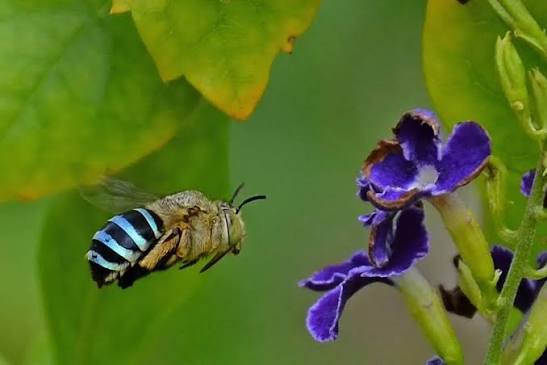
How can discarded clay become a resource for native bee habitat?
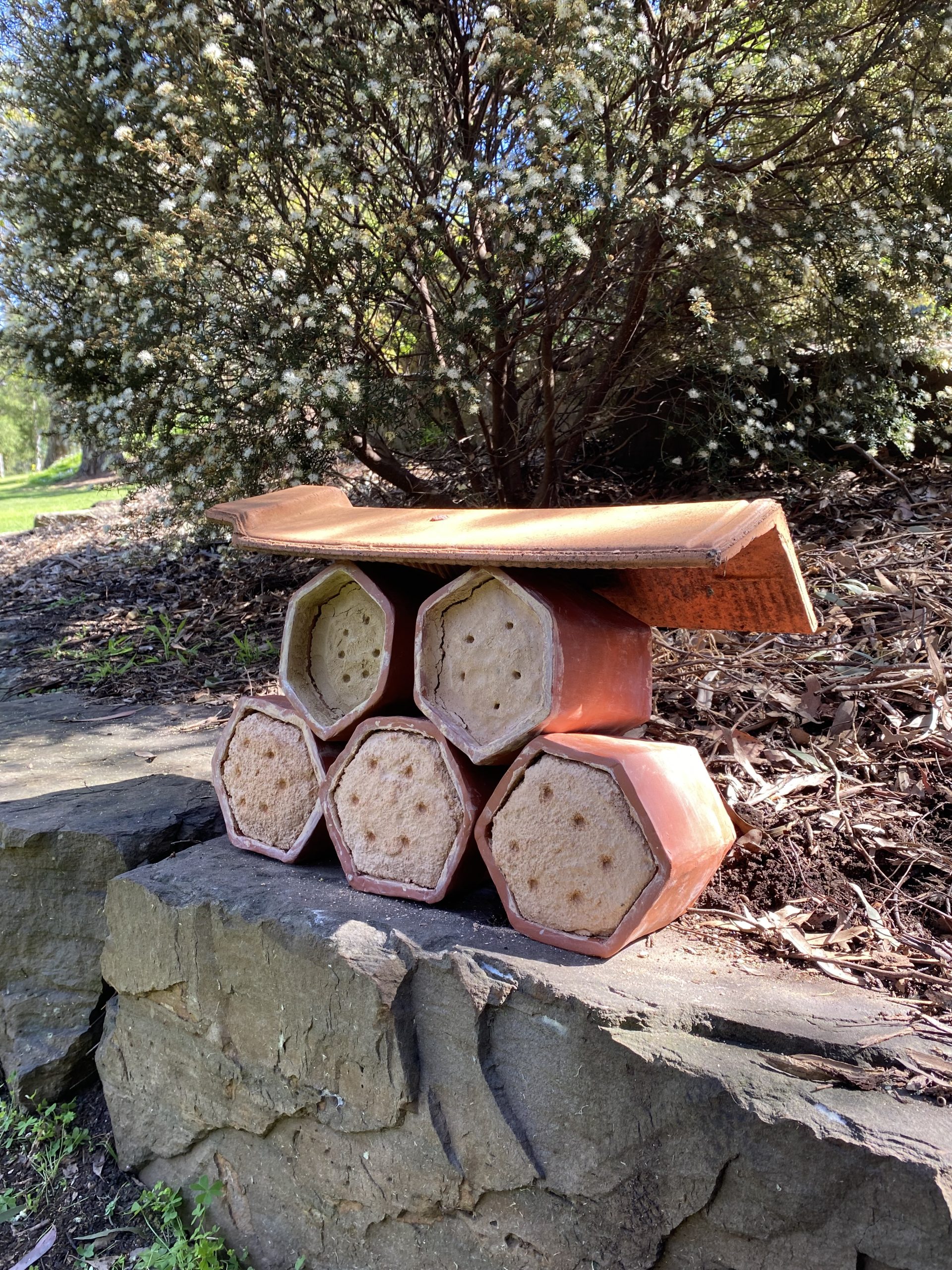
This project explores the possibilities of using ceramic waste to create habitat modules, bringing together ceramics, ecology and community observation.
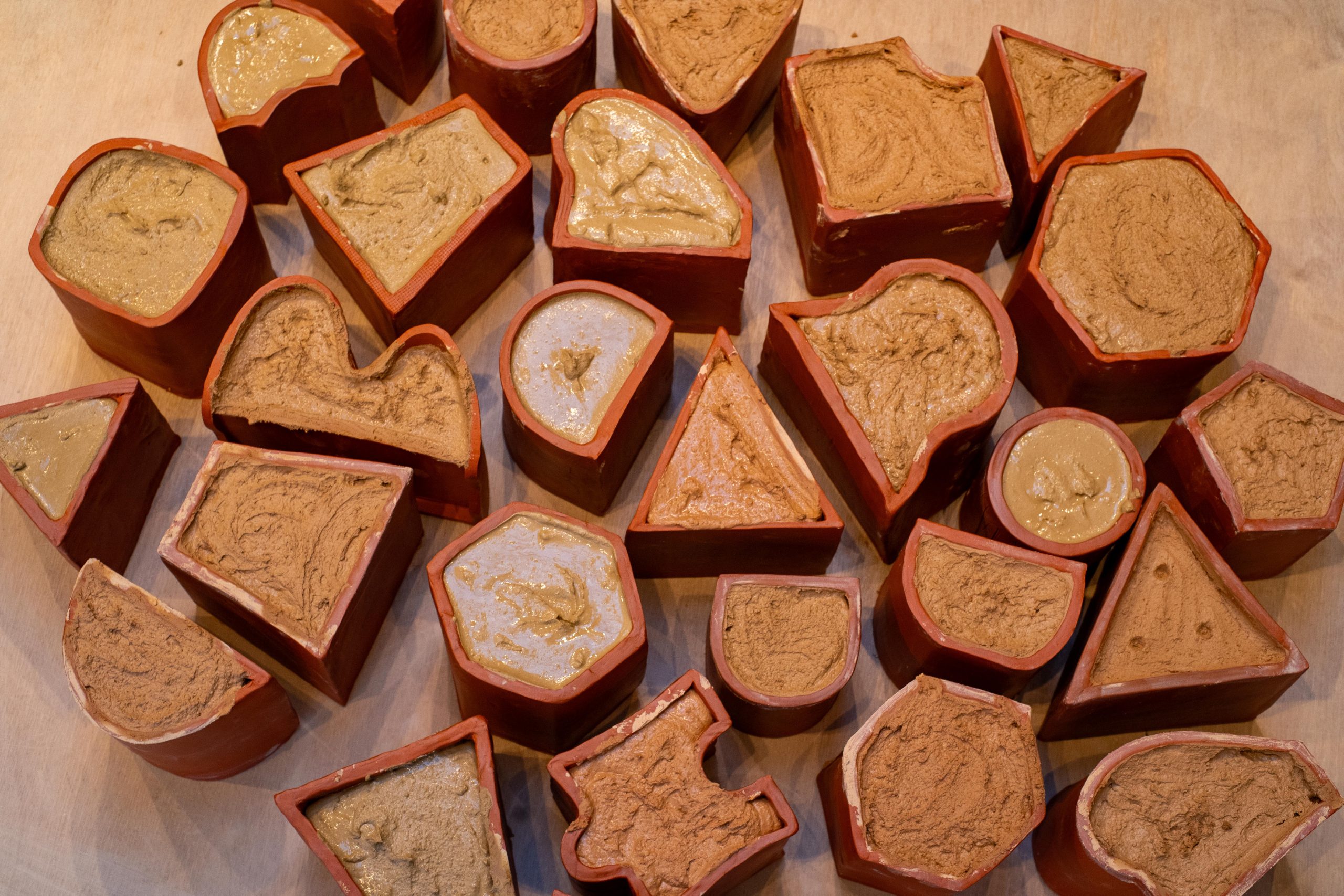
This project explores the possibilities of using ceramic waste to create habitat modules, bringing together ceramics, ecology and community observation.
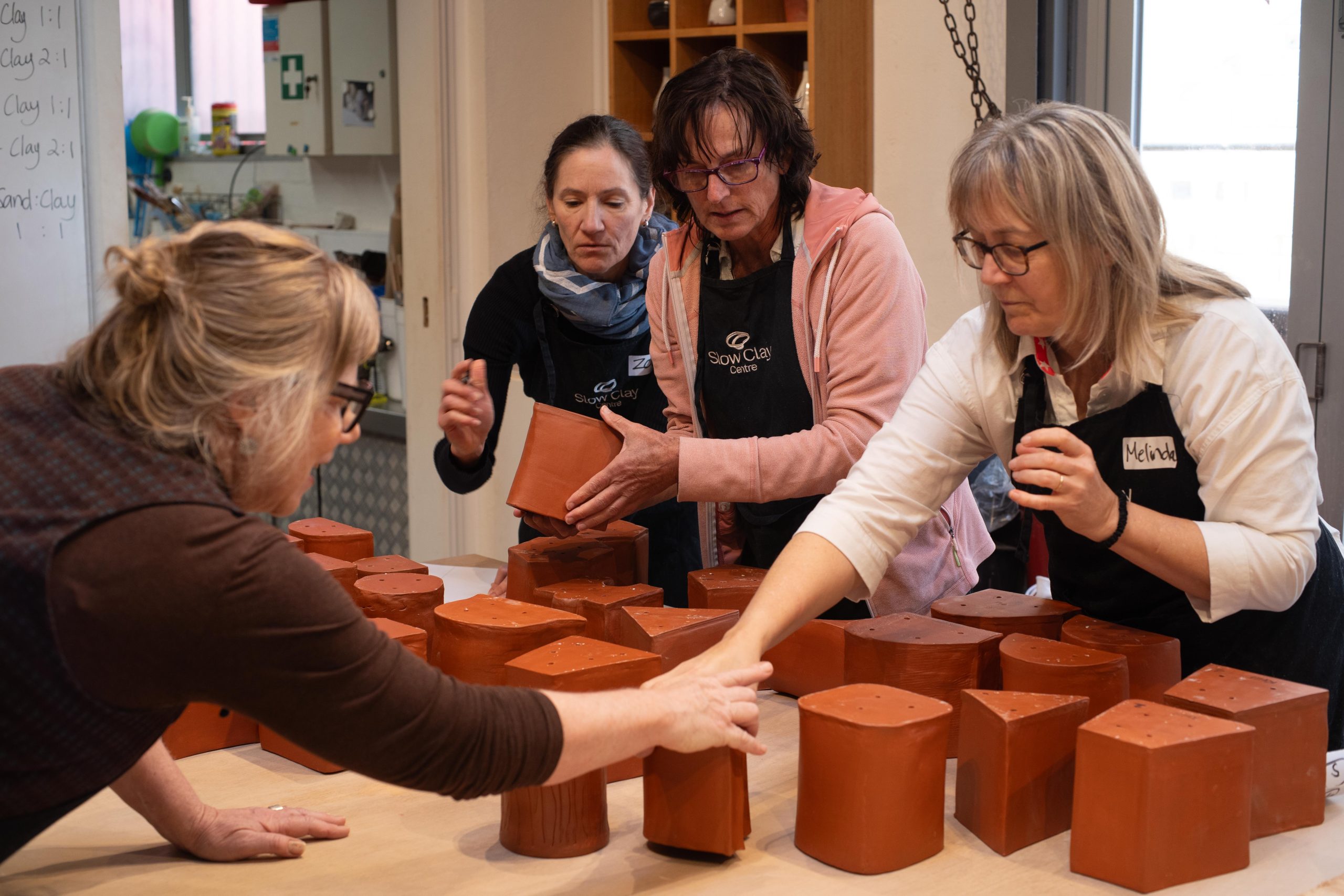
Circular Ceramics for Native Bee Habitat investigates ways to repurpose waste clay into habitat for native bees. The project invites potters, gardeners and community members to take part in building habitats and observing what happens over time.
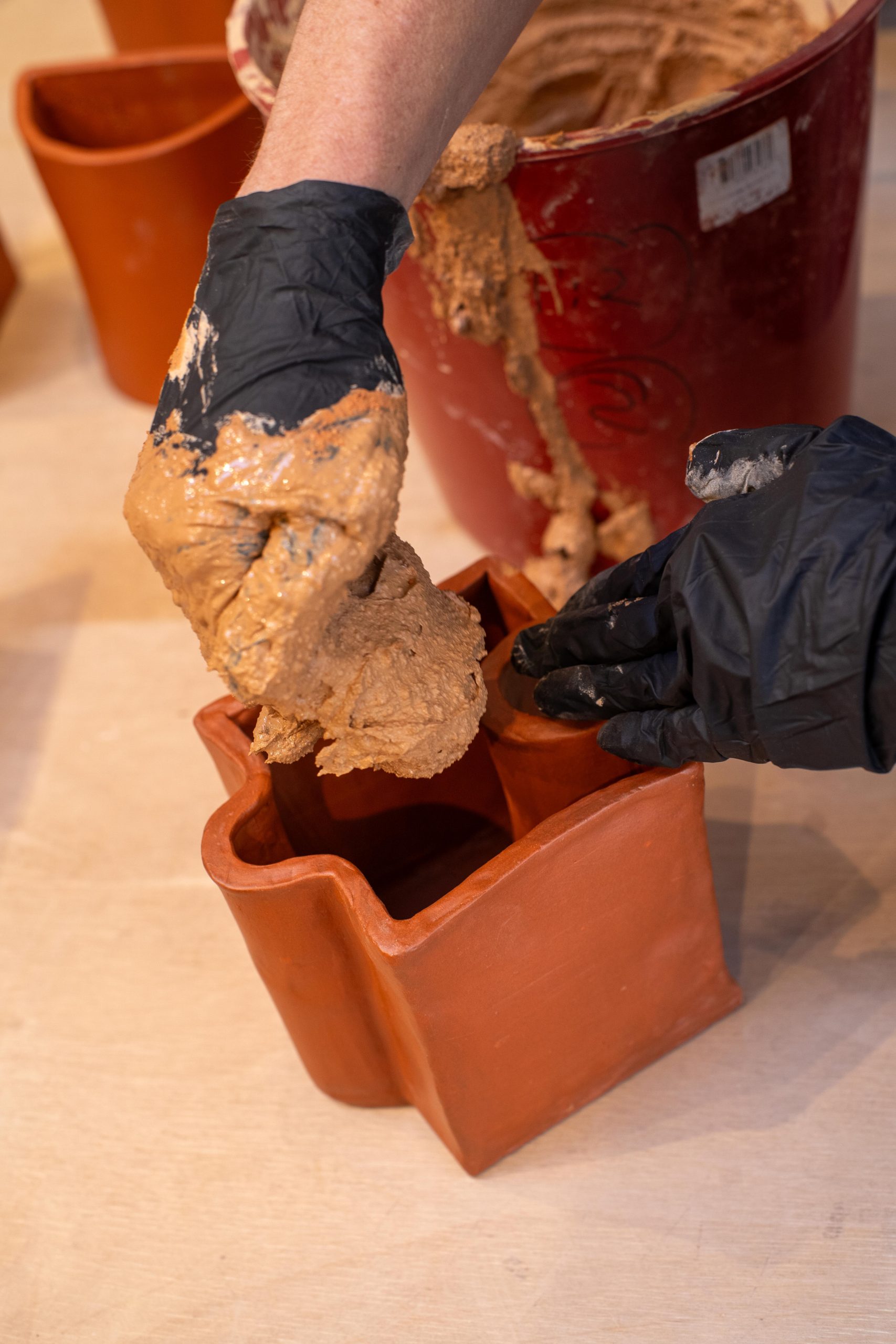
Follow the building guide to learn about the materials, module designs and construction process. Please use the project’s documented methods so that different habitats can be compared.
Download: A building guide for making a ceramic habitat and the SCC Template scaled for A4 paper.
Choose a suitable outdoor location and record where your habitat is installed. Take a photograph and note the surrounding plants and conditions, following the project guidance.
Download: Installation guide
Register your installation so it can be included in the project’s community observations. You’ll be asked to provide details such as the habitat location, module information and photographs.
Return to your habitat and record what you observe over time. Photos and consistent observations can help build a picture of how different installations are performing. Please distinguish observed activity from confirmed nesting.
Explore the resources below to learn more about Australian native bees, their nesting habitats, and ways to support pollinators in our gardens and urban environments.
A note for participants: These resources provide additional background and inspiration. For instructions specific to our ceramic ground-nesting bee habitats and the project’s observation process, please refer to the project guidance provided by Slow Clay Centre and Dr Kit Prendergast.